
Marketing Memory Care: Takeaways from ‘A Man on the Inside’
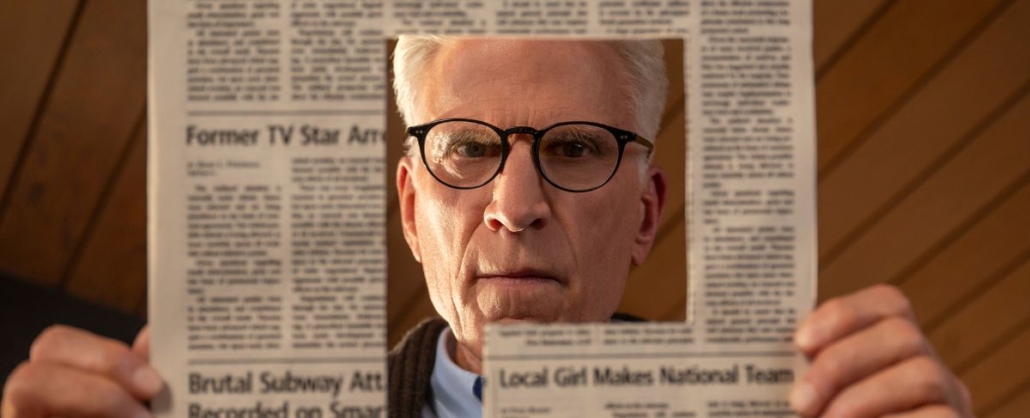
A group of us recently binged the popular Netflix series A Man on the Inside, which is based on a true story. We all loved the show and quickly agreed that it revealed some important lessons about marketing memory care.
Here’s the scoop!
A Man on the Inside: What’s it about?
At the start of this series, we meet Charles (played by Ted Danson), a grieving widower in his seventies whose wife died from Alzheimer’s disease a year earlier.
Charles wants to fill the void and stumbles into an unlikely assignment: working for a local private investigator. The job? Going undercover as a resident—”a man on the inside”—in a senior living community to see if he can identify the suspect responsible for the recent theft of a resident’s ruby necklace.
The story revolves around Charles’s struggle to find a balance between the friendships he forms with residents and staff while being reminded that everyone he meets is a potential suspect.
Check out the trailer below.
The fear of memory care in “The Neighborhood”
When Charles goes on the initial tour of the community, he pauses in front of two locked doors with “The Neighborhood” written on top of them. He’s afraid of the doors because he knows what’s on the other side: the memory care wing. This reminds him of his wife’s illness and the promise he made to her about never putting her in a memory care facility.
Other residents in the community are also fearful of The Neighborhood. They pull away from anyone in the community who starts showing serious signs of dementia, including a resident named Gladys.
Takeaways: When marketing memory care, we must address people’s fears.
What struck us most about how memory care was presented in A Man on the Inside was the fear angle. We understand this is a television show, and tension is necessary for storytelling. However, we encounter these same concerns and fears when marketing memory care. Here are some tips for addressing people’s fears:
1. Normalize memory care through education and storytelling.
Fear often stems from the unknown, and for many, memory care is a big, scary unknown. The more we educate families and prospective residents, the less intimidating the concept becomes.
- Use storytelling. Feature real-life success stories of residents thriving in memory care. Focus on positive experiences, such as how memory care communities create meaningful moments, offer personalized care, and improve residents’ quality of life.
- Host educational events. Offer webinars, Q&A sessions, and in-person seminars with dementia specialists and caregivers to demystify what memory care entails.
- Leverage visual content. Instead of just listing services, use videos, virtual tours, and resident testimonials to show a day in the life of a memory care resident.
2. Address the guilt and fear families feel about memory care.
One of the emotional hurdles in choosing memory care is the guilt families feel. The guilt often stems from promises like the one Charles made to his wife. Many spouses and adult children vow never to place their loved ones in a memory care community, often because they associate it with abandonment rather than compassionate care.
- Reframe the narrative. Memory care isn’t about “giving up” on a loved one. It’s about providing specialized care that enhances their well-being. Use messaging that reinforces this. For example, “You’re not giving up on them. You’re giving them the care they deserve and the help you need as a caregiver.”
- Acknowledge the emotional weight. Be empathetic in your content. Blog posts, social media campaigns, and brochures should acknowledge this difficult decision.
- Offer helpful resources. Provide families with tools like checklists, family discussion guides, and consultation opportunities with memory care experts.
3. Redefine the image of memory care communities.
For many, the term “memory care” conjures images of sterile, hospital-like settings with locked doors, just like the ones Charles fears in A Man on the Inside. While safety is a priority, memory care communities are also designed to be warm, engaging, and person-centered. Make sure prospective residents and their families understand this.
- Highlight community life. Showcase the vibrant activities and personalized care plans that cater to each resident’s needs.
- Use language that reinforces warmth. Words like engaging, purposeful living, and meaningful moments create a more inviting image of memory care than terms like “locked unit” or “facility.”
- Showcase innovative approaches to memory care. Does your community offer sensory therapy, memory gardens, and/or programs designed to enhance cognitive function? Talk them up!
4. Make it easy for families to explore memory care.
Many families hesitate to tour a memory care community because they fear the emotional weight of the experience. Marketing should encourage them to take small, manageable steps.
- Offer “no-pressure” experiences. Instead of immediately pushing a full tour, invite families to attend a community event, meet caregivers informally, or watch a virtual tour from the comfort of their homes.
- Create a welcoming first impression. Ensure your memory care website reflects warmth and approachability. Feature clear calls to action, like “Start with a casual visit” or “Join us for an open house.”
- Provide transparency. Clearly explain pricing, care levels, and what to expect. Uncertainty breeds fear, so eliminating ambiguity can help families feel more confident.
5. Foster a more inclusive senior living culture.
In A Man on the Inside, residents pull away from Gladys when she begins exhibiting symptoms of dementia. Many communities still struggle with the stigma around memory loss, even among residents and staff.
- Train staff and residents on dementia awareness. Offer education programs that help everyone in the community—residents, families, and staff—better understand how to support individuals with cognitive decline.
- Encourage intergenerational connections. Partner with local schools or volunteer groups to create programs that bring young people into memory care communities, breaking down barriers and reducing stigma.
- Create peer support networks. Foster connections between families who have loved ones in memory care so they can share experiences and advice with new families.
As memory care marketers, we must educate, empathize, and communicate clearly to address people’s fears.
The goal is to help families make informed, confident decisions. By normalizing memory care, reframing the narrative, and making the process more approachable, we can turn fear into trust and hesitation into action.
Need help with your memory care marketing? Get in touch.










Leave a Reply
Want to join the discussion?Feel free to contribute!